







 Snacks
 Water
Water Eye Sight
 Hearing






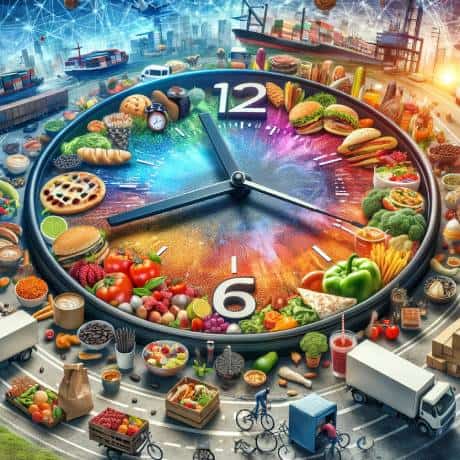












Eat Smarter, Not Less: Food Combinations That Support Fat Loss
Losing fat isn’t about finding one magic food or grinding through endless hunger. It’s about combos. Just like pairing the right abilities in a game, pairing the right foods on your plate can keep you full longer, smooth out energy crashes and make a calorie deficit feel far less like a boss fight.
This guide breaks down the food combinations that research shows actually help, from stacking protein with fibre to eating your carbs last. You’ll also get easy breakfast, lunch, dinner and snack ideas you can start using today, plus answers to common questions like whether activated almonds or cinnamon are worth it. Every claim is backed by published studies, with links so you can check the evidence yourself.
Short on time? Start with the Quick Reference below, then use the contents to jump straight to the section you need.
Table of Contents
Quick Reference
| Combination | Why it helps | Easy example |
|---|---|---|
| Protein + fibre at every meal | These are the two most filling parts of food, and together they help curb hunger | Eggs + veggies, chicken + lentils |
| Veggies and protein first, carbs last | Eating carbs last blunts the blood-sugar spike | Eat the salad and meat before the rice/bread |
| High-volume foods + a little fat | Big, watery, low-calorie portions fill you up for fewer calories | Big salad + olive oil dressing |
| Carbs + something acidic | Vinegar with starchy food modestly lowers the glucose response | Vinaigrette on a potato or grain salad |
| Legumes + whole grains | This gives complete plant protein plus plenty of fibre | Beans with brown rice, hummus with a wholegrain wrap |
| Soup or water before a meal | A pre-meal “preload” reduces how much you eat at that meal | Broth-based veg soup, 500 ml water |
| Cook, refrigerate overnight, then reheat starches | Chilling forms resistant starch, which digests more slowly | Leftover rice, pasta or potatoes |
Plate formula: ½ plate non-starchy vegetables, ¼ lean protein, ¼ high-fibre carbs, plus a thumb-sized serve of healthy fat.
Protein guide: Roughly 1.2–1.6 g per kg of body weight per day while dieting is a common evidence-based range, spread across 3–4 meals.
The Big Picture: Calories Still Rule, But Combinations Make Them Easier
No food combination burns fat on its own. The DIETFITS trial randomised 609 adults aged 18 to 50 without diabetes to a healthy low-fat or healthy low-carb diet for 12 months, and the result was essentially a draw [1]. See how the two diets compared in the DIETFITS trial (JAMA, 2018).
The value of smart combinations is that they make a calorie deficit easier to stick to. In a tightly controlled NIH study, 20 weight-stable adults ate ultra-processed and unprocessed diets matched for presented calories, energy density, macronutrients, sugar, sodium and fibre. They ate about 508 kcal more per day on the ultra-processed diet [2]. Food structure clearly changes how much we eat. Read the full NIH ultra-processed food study (Cell Metabolism, 2019).
A myth worth clearing up: “food combining”
The idea that you shouldn’t mix protein and carbs in one meal doesn’t hold up. In a hospital-based trial, 54 obese patients ate 1100 kcal/day on either a “food combining” or a balanced diet, and weight loss did not differ significantly (6.2 vs 7.5 kg) [3]. The combinations below are about adding foods that work well together, not keeping foods apart. See the food combining vs balanced diet trial (International Journal of Obesity, 2000).
The Evidence Behind Each Combination
1. Protein + fibre: the satiety foundation
 When researchers raised protein from 15% to 30% of calories while keeping carbs constant, participants spontaneously ate about 441 fewer kcal per day and lost around 4.9 kg over 12 weeks, 3.7 kg of it fat [4]. A major review found that higher-protein diets during energy restriction produced greater weight and fat loss while better preserving lean mass. The review also noted that sticking to the diet was the main factor, since benefits appeared in people who adhered to the higher-protein plan [5]. Read the high-protein appetite study (American Journal of Clinical Nutrition, 2005) and the review on protein in weight loss and maintenance (American Journal of Clinical Nutrition, 2015).
Fibre adds to the effect. In an analysis of the POUNDS Lost trial, change in fibre intake was the strongest predictor of weight loss. Each extra 4 g per day was linked to about 1.5 kg (3¼ lb) more weight loss over 6 months, and people who met their fibre goals stuck to their diets better [6]. Read the free full text of the POUNDS Lost fibre analysis (Journal of Nutrition, 2019).
Legumes (beans, lentils, chickpeas) do both jobs. One meta-analysis found a 31% increase in fullness after eating pulses, although intake at the next meal wasn’t significantly lower [7]. Another found an average weight reduction of 0.34 kg with about one serving of pulses a day over a median of 6 weeks [8]. That effect is small but consistent. See the pulses and satiety meta-analysis (Obesity, 2014) and the pulses and body weight meta-analysis (American Journal of Clinical Nutrition, 2016).
Note: What are pulses?
Pulses are the dried seeds of legume plants, like beans, lentils, chickpeas and split peas. All pulses are legumes, but not all legumes are pulses. Soybeans, peanuts, and fresh green beans or peas don’t count.
2. Eating order: vegetables and protein before carbs
In a pilot study with 11 adults with type 2 diabetes, glucose was about 29%, 37% and 17% lower at 30, 60 and 120 minutes when vegetables and protein were eaten before the carbohydrates [9]. A follow-up in people with prediabetes found glucose peaks cut by more than 40% and a 38.8% lower overall glucose response when protein and vegetables came first [10]. Evidence in people without blood-sugar issues is thinner, but the habit costs nothing. Read the original food order study (Diabetes Care, 2015) and the follow-up in prediabetes (Diabetes, Obesity and Metabolism, 2019).
3. Low energy density: more food, fewer calories
In a Penn State study, eating soup before lunch cut total meal energy intake by 20% (about 134 kcal), and the type of soup made no difference [11]. The researchers advise choosing broth-based soups of about 100–150 calories per serve, since cream-based soups can add calories instead. Read the free full text of the soup preload study (Appetite, 2007).
In a year-long trial, women told to cut fat and eat more water-rich foods, especially fruit and vegetables, lost 7.9 kg versus 6.4 kg for those who only cut fat, and they also reported less hunger [12]. See the year-long energy density trial (American Journal of Clinical Nutrition, 2007).
4. Water before meals
Adults aged 55–75 on a calorie-reduced diet who drank 500 ml of water before each main meal lost about 2 kg more over 12 weeks than those on the diet alone [13]. The RACGP’s clinical summary notes that there is less evidence of benefit in younger people [14]. Read the pre-meal water trial (Obesity, 2010) and the RACGP guide to pre-meal water for weight loss.
5. Adding acid to starchy carbs
In a Lund University study of 12 healthy volunteers, vinegar added to a white bread meal reduced blood glucose and insulin responses and increased feelings of fullness, with larger doses having larger effects [15]. The study is small, but a vinaigrette or squeeze of lemon is an easy habit. See the vinegar and bread meal study (European Journal of Clinical Nutrition, 2005).
6. Cooked-and-cooled starches
Rice that was cooked, cooled for 24 hours at 4°C and then reheated had resistant starch rise from 0.64 to 1.65 g per 100 g, and it produced a lower glycaemic response in 15 healthy adults than freshly cooked rice [16]. Expect a gentler blood-sugar curve, not a meaningful calorie saving. The difference is about 1 g of starch per 100 g of rice. See the cooled rice and resistant starch study (Asia Pacific Journal of Clinical Nutrition, 2015).
7. Protein at breakfast
Over 8 weeks on an energy-deficit diet, a two-egg breakfast led to 65% greater weight loss than a calorie-matched bagel breakfast (2.63 vs 1.59 kg). Without calorie restriction, the egg breakfast did not cause weight loss [17]. Note that the study was funded by the American Egg Board, and the absolute difference was about 1 kg. Read the egg breakfast weight loss trial (International Journal of Obesity, 2008).
Example Meals
Protein and calorie figures are approximate and will vary with brands and portions.
 Breakfast
Loaded Veggie Scramble (≈ 30 g protein, ≈ 350 kcal)
Scramble 2 whole eggs and 3 egg whites with spinach, mushrooms and cherry tomatoes. Serve with 1 slice of sourdough, and eat the toast last.
Freezer hack: When you buy sliced sourdough, put it in the freezer, then toast slices straight from frozen. Freezing and toasting bread lowers its blood-sugar response, as shown in the freezing and toasting bread study (European Journal of Clinical Nutrition, 2008).
Greek Yoghurt Power Bowl (≈ 25 g protein, ≈ 330 kcal)
Top 200 g plain Greek or high-protein yoghurt with 1 cup of mixed berries, 1 tbsp chia seeds, cinnamon and 15 g almonds.
Protein Overnight Oats (≈ 35 g protein, ≈ 400 kcal)
Combine 40 g rolled oats, 1 scoop whey or plant protein, 150 ml milk, 1 tbsp chia, half a grated apple and cinnamon. Refrigerate overnight.
Lunch
Chicken, Lentil and Roast Veg Salad (≈ 40 g protein, ≈ 450 kcal)
Toss 120 g grilled chicken with ½ cup cooked lentils, roast capsicum, zucchini and pumpkin, and rocket. Dress with 1 tsp olive oil, red wine vinegar and lemon.
Tuna and Chickpea Smash Bowl (≈ 35 g protein, ≈ 420 kcal)
Mash 1 can of tuna in springwater with ½ can chickpeas, Greek yoghurt, lemon, red onion and parsley. Serve over leaves and cucumber, or in a wholegrain wrap.
Minestrone Starter + Turkey Wrap (≈ 35 g protein, ≈ 480 kcal)
Start with a bowl of broth-based vegetable and bean minestrone, then have a wholegrain wrap with 100 g turkey, salad and mustard.
Dinner
Salmon with Greens and Cooled Rice (≈ 35 g protein, ≈ 520 kcal)
Bake a 150 g salmon fillet. Serve with broccolini and green beans dressed with lemon, plus ½ cup of brown rice cooked the day before and reheated.
Lean Beef and Bean Chilli (≈ 40 g protein, ≈ 480 kcal per serve, makes 4)
Brown 500 g lean beef mince with onion, garlic, capsicum, cumin and paprika. Add 1 can kidney beans, 1 can black beans and 2 cans crushed tomatoes, then simmer. Serve over half rice, half cauliflower rice, with a spoonful of Greek yoghurt.
Tofu or Chicken Veggie Stir-Fry (≈ 35 g protein, ≈ 450 kcal)
Stir-fry 150 g firm tofu or chicken with bok choy, snow peas, carrot and mushrooms in 1 tsp sesame oil, garlic, ginger, soy and a splash of rice vinegar. Serve with ½ cup soba noodles or leftover rice.
Snacks (≈ 100–250 kcal each)
- Apple + 30 g cheese, or 1 tbsp peanut butter. This pairs fibre with protein or fat.
- Cottage cheese with cucumber, pepper and chilli flakes. It’s high in protein and very high in volume.
- 1 cup of steamed edamame. It gives you plant protein and fibre in one food.
- Carrot and capsicum sticks with 3 tbsp hummus. This adds legumes and crunch.
- 2 boiled eggs with cherry tomatoes. It’s portable and filling.
- 3 cups of air-popped popcorn. It’s a whole grain with high volume for few calories.
- A protein shake with a banana. Use it after training or on a busy afternoon.
FAQ
Do I still need to count calories?
Not necessarily, but calories still decide whether you lose fat. The combinations in this article work mainly by making you less hungry, so you eat less without forcing it. If progress stalls, tracking for a week or two is the quickest way to find out why.
Does “food combining” (not mixing protein and carbs) work?
No. When calories were matched, the food-combining diet brought no additional loss in weight or body fat compared with balanced meals [3]. See the food combining vs balanced diet trial.
Should my almonds be activated?
There’s no need. In a randomised crossover trial, 76 participants ate 30 g/day of soaked or unsoaked almonds. Symptoms were minimal either way, but flatulence was actually rated higher for soaked whole almonds, and phytate was slightly higher rather than lower after soaking [18]. A second study found that phytate differences between soaked and raw nuts were small, soaking tended to lower mineral content, and the results did not support claims that activation improves nutrient absorption [19]. Buy whichever you prefer the taste of, and keep an eye on portions. Read the University of Otago studies on activated almonds and gut tolerance and activated nuts and nutrient absorption.
Does cinnamon help with weight loss?
Not directly. A meta-analysis of 18 trials found that cinnamon lowered fasting blood glucose, but it did not significantly change body weight, BMI or waist circumference, and the authors warned the results were highly variable [20]. A Cochrane review found the effect on fasting glucose inconclusive in people with diabetes [21]. It’s a great calorie-free flavour, but don’t count on it for fat loss. See the cinnamon and body weight meta-analysis and the Cochrane review on cinnamon for diabetes.
Is raw honey better than sugar for weight loss?
Not in any meaningful way. Honey is still mostly sugar at roughly 60 kcal per tablespoon. Use a teaspoon for flavour if you enjoy it, but don’t treat it as a health food.
Should I take apple cider vinegar shots?
The evidence is for vinegar eaten with a starchy meal, and the studies are small [15]. Adding vinegar to a salad or grain dish gets you any benefit without the tooth-enamel and throat irritation that neat shots can cause. See the vinegar with a bread meal study.
Does reheated rice have fewer calories?
Only trivially. Cooling increases resistant starch by about 1 g per 100 g [16]. The real benefit is a gentler blood-sugar response, not a calorie cut. See the cooled rice study.
Does eating order matter if I don’t have diabetes?
The strongest evidence comes from people with type 2 diabetes and prediabetes [9, 10]. For everyone else it’s low-cost and may help with steadier energy, but it’s a minor factor compared with total calories and protein. See the food order study in prediabetes.
Is it OK to drink water with meals instead of before?
Yes. The 500 ml pre-meal approach was tested in adults aged 55–75 [13], and the RACGP notes there is less evidence for younger people [14]. Drinking water with or before meals is a sensible habit either way. See the RACGP guide to pre-meal water.
Author Tool:
- Claude (Content Enhancements & Research)
- GSpeech (Audio by AI)
- Other Tools (AI)...
Artists:
- Lionel Thomas using Leonardo.ai [AI Generated] (Header, Content)
References:
1. Effect of Low-Fat vs Low-Carbohydrate Diet on 12-Month Weight Loss in Overweight Adults (DIETFITS)
JAMA Network (American Medical Association), via DOI
https://doi.org/10.1001/jama.2018.0245
Summary:
This large randomised trial tested 609 adults aged 18 to 50 on a healthy low-fat or healthy low-carb diet for 12 months. Weight loss was essentially the same on both diets. It supports the article's point that calories and adherence matter more than macronutrient ratios.2. Ultra-Processed Diets Cause Excess Calorie Intake and Weight Gain
PubMed (U.S. National Library of Medicine, NIH)
https://pubmed.ncbi.nlm.nih.gov/31105044...
Summary:
This NIH inpatient crossover study gave 20 adults ultra-processed and unprocessed diets matched for calories, macronutrients, sugar, sodium and fibre. They ate about 508 kcal more per day on the ultra-processed diet. It shows that food structure and processing, not just nutrients, drive how much we eat.3. Similar Weight Loss with Low-Energy Food Combining or Balanced Diets
PubMed (U.S. National Library of Medicine, NIH)
https://pubmed.ncbi.nlm.nih.gov/10805507...
Summary:
In this randomised trial, 54 obese patients ate 1100 kcal/day on a "food combining" or a balanced diet. Weight loss was not significantly different (6.2 vs 7.5 kg). It is the key evidence against separating protein and carbs.4. A High-Protein Diet Induces Sustained Reductions in Appetite, Ad Libitum Caloric Intake, and Body Weight
PubMed (U.S. National Library of Medicine, NIH)
https://pubmed.ncbi.nlm.nih.gov/16002798...
Summary:
Raising protein from 15% to 30% of calories with carbs held constant led people to eat about 441 fewer kcal per day. Over 12 weeks they lost 4.9 kg, 3.7 kg of it fat. It is the core evidence for protein's appetite-suppressing effect.5. The Role of Protein in Weight Loss and Maintenance
PubMed (U.S. National Library of Medicine, NIH)
https://pubmed.ncbi.nlm.nih.gov/25926512...
Summary:
This expert review found that higher-protein, calorie-restricted diets produced greater weight and fat loss and better preserved lean mass. It notes that long-term benefits depended on people sticking to the higher-protein plan. It supports the article's protein-at-every-meal approach.6. Fiber Intake Predicts Weight Loss and Dietary Adherence in Adults Consuming Calorie-Restricted Diets (POUNDS Lost)
PubMed Central (PMC), free full text (U.S. National Library of Medicine, NIH)
https://pmc.ncbi.nlm.nih.gov/articles/PM...
Summary:
his analysis followed 345 participants on calorie-restricted diets for 6 months. The increase in fibre intake was the strongest predictor of weight loss, with each extra 4 g/day linked to about 1.5 kg more loss. People who met their fibre goals also stuck to their diets better.7. ietary Pulses, Satiety and Food Intake: A Systematic Review and Meta-Analysis of Acute Feeding Trials
Wiley Online Library (publisher of Obesity), via DOI
https://doi.org/10.1002/oby.20782
Summary:
Eating beans, lentils, chickpeas or peas increased fullness by about 31% compared with control meals. Intake at the next meal wasn't significantly lower. It supports adding legumes for satiety.8. Effects of Dietary Pulse Consumption on Body Weight: A Systematic Review and Meta-Analysis of RCTs
PubMed (U.S. National Library of Medicine, NIH)
https://pubmed.ncbi.nlm.nih.gov/27030531...
Summary:
Across 21 trials with 940 participants, about one serving of pulses a day (a median of 132 g) led to an average extra 0.34 kg of weight loss over a median of 6 weeks. The effect is small but consistent.9. Food Order Has a Significant Impact on Postprandial Glucose and Insulin Levels
PubMed Central (PMC), free full text (U.S. National Library of Medicine, NIH)
https://pmc.ncbi.nlm.nih.gov/articles/PM...
Summary:
In this pilot crossover study, 11 adults with type 2 diabetes ate the same meal on two separate days in different orders [9]. Eating vegetables and protein before carbs lowered glucose by about 29%, 37% and 17% at 30, 60 and 120 minutes. It is the original "eat carbs last" study.10. The Impact of Food Order on Postprandial Glycaemic Excursions in Prediabetes
PubMed (U.S. National Library of Medicine, NIH)
https://pubmed.ncbi.nlm.nih.gov/30101510...
Summary:
This follow-up in people with prediabetes found that eating protein and vegetables first cut glucose peaks by more than 40% and the overall glucose response by 38.8% compared with carbs first. It extends the food-order finding beyond diabetes.11. Soup Preloads in a Variety of Forms Reduce Meal Energy Intake
PubMed Central (PMC), free full text (U.S. National Library of Medicine, NIH)
https://pmc.ncbi.nlm.nih.gov/articles/PM...
Summary:
When participants ate soup before lunch, total meal intake dropped by 20% (about 134 kcal), and the type of soup made no difference. The researchers recommend broth-based soups of about 100–150 calories per serve. It is the basis for the "soup starter" strategy.12. Dietary Energy Density in the Treatment of Obesity: A Year-Long Trial Comparing 2 Weight-Loss Diets
PubMed (U.S. National Library of Medicine, NIH)
https://pubmed.ncbi.nlm.nih.gov/17556681...
Summary:
After one year, women who cut fat and ate more fruit and vegetables lost 7.9 kg, compared with 6.4 kg for those who only cut fat. The fruit-and-vegetable group ate a greater weight of food and reported less hunger. It is long-term evidence for high-volume, low-energy-density eating.13. Water Consumption Increases Weight Loss During a Hypocaloric Diet Intervention in Middle-Aged and Older Adults
PubMed (U.S. National Library of Medicine, NIH)
https://pubmed.ncbi.nlm.nih.gov/19661958...
Summary:
In this randomised trial, 48 adults aged 55–75 on a calorie-reduced diet drank 500 ml of water before each main meal or followed the diet alone. The water group lost about 2 kg more over 12 weeks, a 44% greater decline. It supports the pre-meal water strategy, mainly for older adults.14. HANDI: Pre-Meal Water Consumption for Weight Loss
ACGP (Royal Australian College of General Practitioners), Handbook of Non-Drug Interventions
https://www.racgp.org.au/clinical-resour...
Summary:
This Australian GP clinical summary recommends drinking water 30 minutes before main meals for overweight and obese middle-aged and older adults. It notes there is less evidence of benefit in younger people. It provides local clinical context for the water recommendation.15. Vinegar Supplementation Lowers Glucose and Insulin Responses and Increases Satiety After a Bread Meal
PubMed (U.S. National Library of Medicine, NIH)
https://pubmed.ncbi.nlm.nih.gov/16015276...
Summary:
In 12 healthy volunteers, vinegar eaten with white bread lowered blood glucose and insulin responses and increased fullness. Larger doses had larger effects. It is the evidence for pairing acid with starchy carbs, from a small study.16. Effect of Cooling of Cooked White Rice on Resistant Starch Content and Glycemic Response
PubMed (U.S. National Library of Medicine, NIH)
https://pubmed.ncbi.nlm.nih.gov/26693746...
Summary:
Cooking rice, chilling it at 4°C for 24 hours and reheating it raised resistant starch from 0.64 to 1.65 g per 100 g. It also produced a lower glycaemic response in 15 healthy adults. The benefit is a gentler blood-sugar curve rather than a meaningful calorie saving.17. Egg Breakfast Enhances Weight Loss
PubMed (U.S. National Library of Medicine, NIH)
https://pubmed.ncbi.nlm.nih.gov/18679412...
Summary:
n an energy-deficit diet, a two-egg breakfast led to 65% greater weight loss than a calorie-matched bagel breakfast over 8 weeks (2.63 vs 1.59 kg). Without calorie restriction, the egg breakfast produced no weight loss. Note that the study was funded by the American Egg Board.18. The Effects of "Activating" Almonds on Consumer Acceptance and Gastrointestinal Tolerance
OUR Archive (University of Otago research repository, New Zealand)
https://ourarchive.otago.ac.nz/esploro/o...
Summary:
In an 8-week randomised crossover trial, 76 participants ate 30 g/day of soaked or unsoaked almonds. Gut symptoms were minimal either way, but flatulence was rated higher with soaked whole almonds, and phytate was slightly higher after soaking. It is evidence that activating almonds isn't necessary.19. Does "Activating" Nuts Affect Nutrient Bioavailability?
OUR Archive (University of Otago research repository, New Zealand)
https://ourarchive.otago.ac.nz/esploro/o...
Summary:
This study tested several soaking methods on almonds, hazelnuts, peanuts and walnuts. Phytate changes were small (−12% to +10%), soaking generally lowered mineral content, and the results did not support claims that activation improves nutrient absorption.20. Cinnamon Supplementation, Glycaemic Control and Anthropometric Indices: Meta-Analysis of RCTs
PubMed (U.S. National Library of Medicine, NIH)
https://pubmed.ncbi.nlm.nih.gov/30935562...
Summary:
Across 18 trials, cinnamon lowered fasting blood glucose but had no significant effect on body weight, BMI or waist circumference. The authors cautioned that results varied widely between studies. It shows cinnamon is not a weight-loss aid.21. Cinnamon for Diabetes Mellitus (Cochrane Review)
PubMed (U.S. National Library of Medicine, NIH), indexing the Cochrane Library
https://pubmed.ncbi.nlm.nih.gov/22972104...
Summary:
This review covered 10 randomised trials with 577 people with diabetes, most at high or unclear risk of bias. It found cinnamon's effect on fasting glucose inconclusive and no significant change in HbA1c, insulin or post-meal glucose. It gives the most conservative view of cinnamon's metabolic effects.22. The Impact of Freezing and Toasting on the Glycaemic Response of White Bread
PubMed (U.S. National Library of Medicine, NIH)
https://pubmed.ncbi.nlm.nih.gov/17426743...
Summary:
Ten healthy adults at Oxford Brookes University ate homemade and commercial white bread in four forms: fresh, frozen and defrosted, toasted, and frozen then toasted. All three preparation methods lowered the blood-glucose response compared with fresh bread. It is the evidence behind the "freeze your bread" tip.






Vitality Challenge
Gamer in Life

Articles

Eat Smarter, Not Less: Food Combinations That Support Fat Loss

CREATINE: The Hidden Buff Most Players Are Missing

🌀 Energy Crashing? The Sugar Trap You Need to Escape

Combating a Sedentary Lifestyle with Simple Moves

Energize Your Soul: The Dynamic Power of Music

How Coffee & Tea Affect Your Vitamin and Mineral Absorption

Why Highly Processed Seed Oils Aren't Ideal for Your Health

The Healing Power of Sleep: Strengthening Immunity and Reducing Disease Risk
AI Platforms
AI-Powered Tools and Websites - It's time to learn and use Artificial Intelligence tools.